
CBSE Schools in Gurgaon vs Experiential Schools: What Parents Should Know
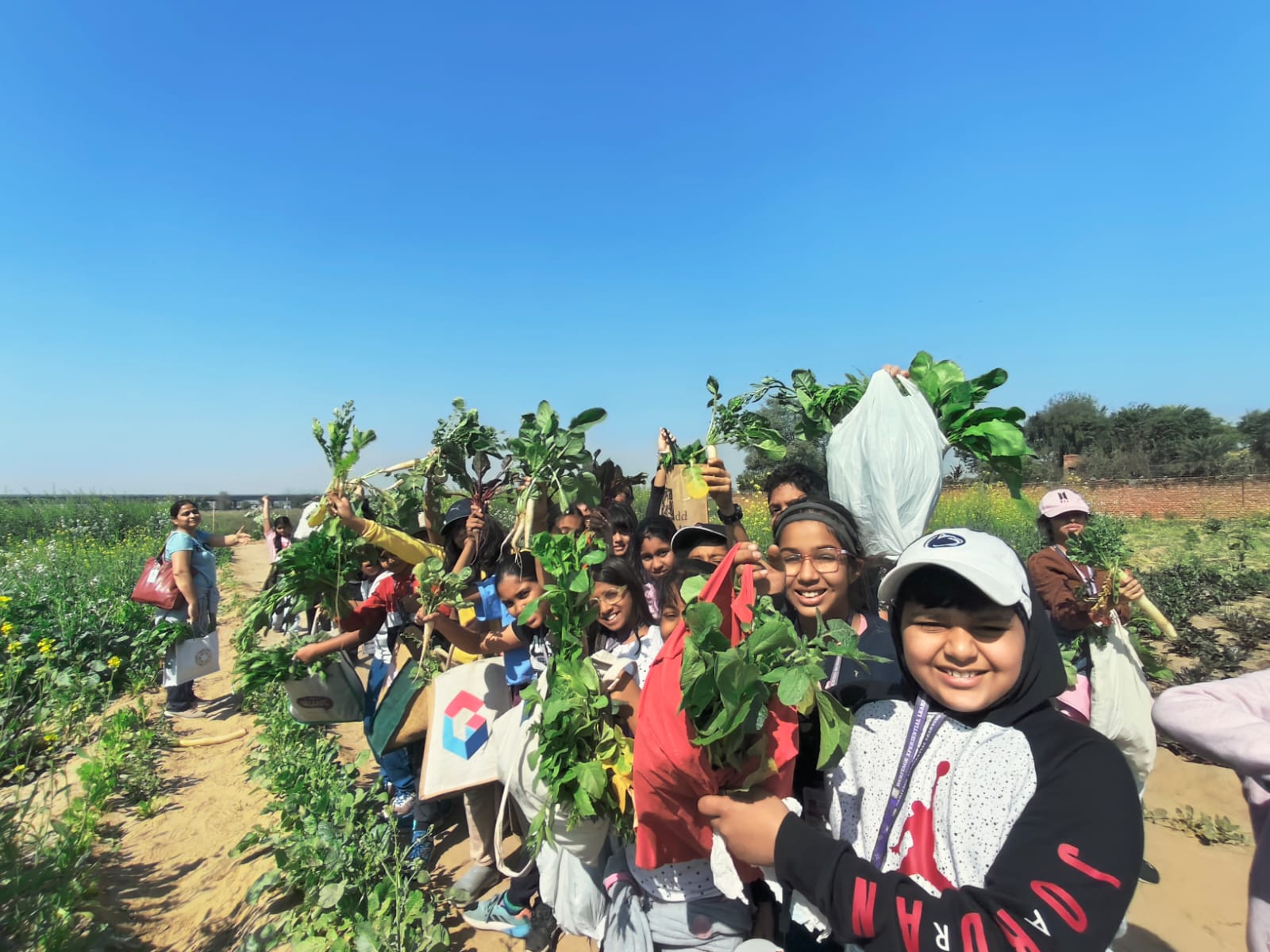
Somewhere along the way, this comparison started to feel like a choice between two opposing camps. On one side sits CBSE, often perceived as structured and examination-oriented because of the way it is commonly implemented. On the other sits experiential learning, often associated with inquiry, collaboration, and hands-on exploration. Framed this way, the decision feels like it requires picking a side. Structure or exploration. Results or curiosity. Familiar or forward-looking.
The framing itself is the problem. CBSE is a curriculum and examination structure. Experiential learning is a teaching approach. They are not two competing philosophies fighting for the same seat; they operate on entirely different levels, and a school can, in fact, do both at once. This piece is an attempt to untangle that confusion properly.
What CBSE Actually Is, and Is Not
CBSE defines what gets taught and how it gets examined: a syllabus, a set of standardised assessments, and a familiar structure that most Indian families recognise from their own schooling. It does not, in itself, prescribe a single teaching methodology, about how a teacher chooses to run a classroom on any given day.
This is worth sitting with, because much of the anxiety around CBSE comes from an assumption that it forces rote learning by design. It does not. A CBSE classroom can be built entirely around passive memorisation, or it can be built around inquiry, discussion, and genuine problem solving, while still covering the exact same syllabus and preparing students for the exact same board examinations.
What Experiential Learning Actually Is, and Is Not
Experiential learning describes a method, not a curriculum. It is the idea that students understand and retain material more deeply when they arrive at it through doing, questioning, and reflecting, rather than receiving it passively. This applies just as easily inside a CBSE framework as it does inside an IB one.
The confusion tends to arise because many schools that describe themselves as experiential have also stepped away from structured boards entirely, which makes the two ideas feel bundled together in a way they are not actually required to be. A school can hold onto CBSE’s rigour and structure while still teaching in a way that is genuinely experiential in practice.
So Where Does the Real Choice Lie
Once the framing is corrected, the actual question a family needs to ask changes considerably. It is not CBSE or experiential. It is whether a specific school, regardless of board, is teaching in a way that builds genuine understanding, or one that is optimised purely for exam recall.
This is why simply searching for schools in Gurgaon and comparing board names on a list will only get a family partway there. The board tells you what will be taught. It tells you almost nothing about how, and how is where the real difference in a child’s experience actually lives.
What to Actually Look for When Comparing Schools
On a campus visit, the useful questions are less about board and more about classroom behaviour. Ask how a typical lesson unfolds, whether students are mostly listening and copying, or questioning and building. Ask how mistakes are handled, as a moment to correct quickly and move on, or as something worth exploring further. Ask how much independent thinking is expected of students at each stage, rather than how many awards sit in the school’s trophy case.
These questions apply whether you are looking at a school known for its exam results or one known for its experiential label. Both claims deserve the same scrutiny, and both, when genuine, tend to show up clearly in how teachers actually talk about their own classrooms.
Heritage’s Position on This Question
Heritage does not treat CBSE and experiential learning as a trade-off, because they were never designed to be one. The school delivers the full CBSE curriculum with the rigour and results families expect, while building its teaching method around inquiry, reflection, and genuine student engagement at every stage. This is part of what sets it apart among the best CBSE schools in Gurgaon, the exam preparation is real, and so is the depth of thinking students are asked to develop alongside it.
Families researching the best schools in Gurgaon often arrive at this comparison expecting to choose a side. What they generally find, once they visit and ask the right questions, is that the more useful comparison was never CBSE against experiential learning at all. It was always about which school takes the how of teaching as seriously as the what.
Frequently Asked Questions
Can a school genuinely be both CBSE and experiential? Yes. CBSE governs curriculum and examinations, while experiential learning describes teaching method, and the two can operate together within the same classroom without conflict.
Does an experiential approach put CBSE exam results at risk? Not when implemented properly. Students who understand concepts deeply through inquiry based learning are generally well prepared for standardised assessments, since genuine understanding tends to transfer well to exam settings.
How can I tell if a school’s experiential claim is genuine rather than marketing? Ask specific questions during a visit about how lessons are structured day to day, and look for teachers who can describe concrete examples of student led inquiry rather than general statements about philosophy.
Which matters more when choosing a school, the board or the teaching approach? The teaching approach tends to shape a child’s actual experience and growth far more directly than the board name, though both are worth understanding before making a decision.
Conclusion
The real decision was never CBSE against experiential learning. It was always about finding a school willing to take both structure and genuine thinking seriously, at the same time, rather than treating one as a substitute for the other.
If this balance is what you are looking for, you can start your CBSE admission in Gurgaon enquiry with Heritage’s admissions team, who can explain exactly how this approach plays out across your child’s schooling years.
Latest Posts
Experiential Schools in Gurgaon: Why HXLS Has Been a Pioneer…
06 August, 2026
School Admission in Gurgaon: Complete Guide for Parents (2026)
03 August, 2026
Nursery Admissions Gurgaon: Everything You Need to Know Before Applying
27 July, 2026
Why Heritage Xperiential Learning School is Among the Best Schools…
23 July, 2026
Best Schools in Gurgaon – CBSE vs IB: Which is…
18 June, 2026
Good Schools in Gurgaon: What Parents Should Really Look For
16 June, 2026
Top CBSE Schools in Gurgaon: Is Heritage the Right Choice…
11 June, 2026
10 THINGS PARENTS SHOULD DO TO ENSURE THAT THEIR SCHOOL…
17 July, 2021
WHY PULLING CHILDREN OUT OF E-CLASSES MAY CAUSE IRREVERSIBLE LOSS
16 July, 2021