
How Sports Shape Students Smarter, Healthier, and More Confident
Ask most parents what sport does for their child, and the answer usually starts and ends with fitness. It’s a reasonable answer, but an incomplete one. In many schools, sport is still treated as an extracurricular activity rather than an essential part of a child’s education.
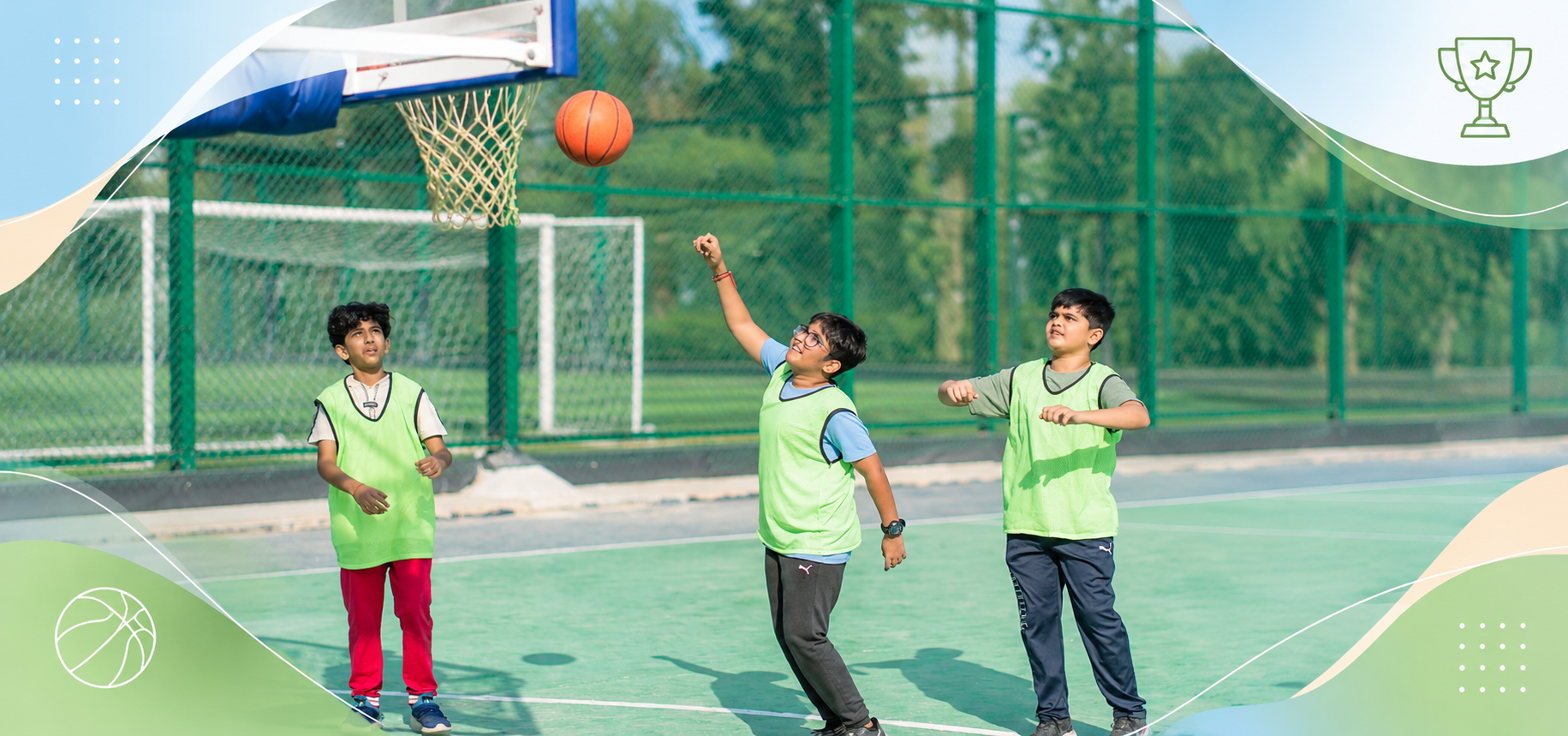
Yet a child learning to time a pass, recover from a missed shot or push through the last lap of a race is developing more than physical skills. Sport can also create opportunities to practise decision-making, emotional regulation, persistence and teamwork.
The Smarter Part Isn’t a Stretch
Research suggests that regular physical activity can support children’s attention, memory and mental well-being. Movement also gives students opportunities to practise concentration, make quick decisions and respond to changing situations.
Physical activity alone does not guarantee better academic results, but making time for movement alongside classroom learning can contribute to a healthier environment for learning and engagement.
The Healthier Part Is Obvious, but Still Underrated
Childhood is an important time to develop habits that can continue into adulthood. When children experience physical activity as enjoyable and rewarding, they have more opportunities to build confidence in movement and develop an active lifestyle.
This is one reason leading schools in Delhi NCR increasingly recognise Physical Education as an important part of a child’s development, rather than simply an unstructured break in the school day.
The Confidence Part Is Where It Gets Interesting
Sport offers children regular opportunities to experience setbacks and try again. Missing a shot, losing a race or making a mistake can become a lesson in resilience when children are encouraged to reflect, learn and keep going.
Team sports add another dimension. Students practise communicating under pressure, understanding different roles and working towards a shared goal. These experiences can help develop collaboration, responsibility and interpersonal skills that matter well beyond the playing field.
How This Plays Out at Heritage
At Heritage Xperiential Learning School, Physical Education is an integral part of the school’s approach to all-round development. The programme includes competitive and recreational sports, with opportunities for students to develop physical literacy and explore different activities.
The school’s commitment to inclusion is also reflected in its Special Needs Programme and its Adaptive Athletics initiatives. These efforts support the idea that participation, growth and the opportunity to experience sport should extend to students with different abilities.
Frequently Asked Questions
Does time spent on sport take away from academic performance?
Not necessarily. Physical activity can support attention and well-being, both of which contribute to learning. The key is a balanced school day that makes room for academics, movement and rest.
What age should structured sport start?
Age-appropriate physical activity can begin in the early years, with an emphasis on enjoyment, coordination and fundamental movement skills. More structured training can develop gradually as children grow.
Is competitive sport necessary, or is recreational activity enough?
Both have value. Recreational activity can build enjoyment and healthy habits, while competitive sport may offer additional opportunities to practise teamwork, resilience and managing pressure. The right balance depends on the child.
How can a parent tell if a school takes Physical Education seriously?
Ask whether Physical Education has a planned programme, qualified instructors, suitable facilities and opportunities for progression across grades. Also look at whether students with different interests and abilities are encouraged to participate.
Conclusion
Sport in schools is more than a pause from classroom learning. When thoughtfully integrated into the school day, it can help children develop physical well-being, confidence, resilience and teamwork alongside their academic learning.
To learn more about Physical Education and sports at Heritage Xperiential Learning School, contact the admissions team or enquire about a campus visit.
Latest Posts

AI-Powered Learning Tools Every Student Should Try
18 November, 2026
How to Choose the Best School in Gurgaon for Your…
28 October, 2026
Top Schools in Gurgaon for Holistic Development & Global Learning
14 October, 2026
Experiential Schools in Gurgaon: Why HXLS Has Been a Pioneer…
06 August, 2026
School Admission in Gurgaon: Complete Guide for Parents (2026)
03 August, 2026
CBSE Schools in Gurgaon vs Experiential Schools: What Parents Should…
30 July, 2026
Nursery Admissions Gurgaon: Everything You Need to Know Before Applying
27 July, 2026
Why Heritage Xperiential Learning School is Among the Best Schools…
23 July, 2026
Best Schools in Gurgaon – CBSE vs IB: Which is…
18 June, 2026