
Top Schools in Gurgaon for Holistic Development & Global Learning
Walk into a school admissions fair in Gurgaon, and you’ll notice something odd. Every single school will tell you it offers “holistic development.” Every brochure will use the word “global.” After the fifth conversation, the words stop meaning anything at all.
That’s not because the idea is fake. It’s because holistic development is one of those phrases that’s easy to print and hard to actually build. A school can offer twelve extracurricular clubs and still be, in practice, a place that only really rewards exam marks. So the real question for a parent isn’t which school uses the word – it’s which school has built systems around it.
What Holistic Actually Requires
Holistic education, done properly, means a child’s growth is tracked across more than one axis – academic, physical, emotional, creative, and social – and none of those axes is treated as an afterthought squeezed in after “real” classes end. That’s a structural decision, not a marketing one. It shows up in how timetables are built, how teachers are trained, and how a child’s report card actually reads.
This is also where “global learning” earns its place in the conversation. A child who can think critically, collaborate across differences, and adapt to unfamiliar problems is, functionally, prepared for a world that doesn’t stay still – regardless of which country they eventually study or work in. That’s a different goal than simply teaching an international syllabus.
Where Heritage Fits Into This
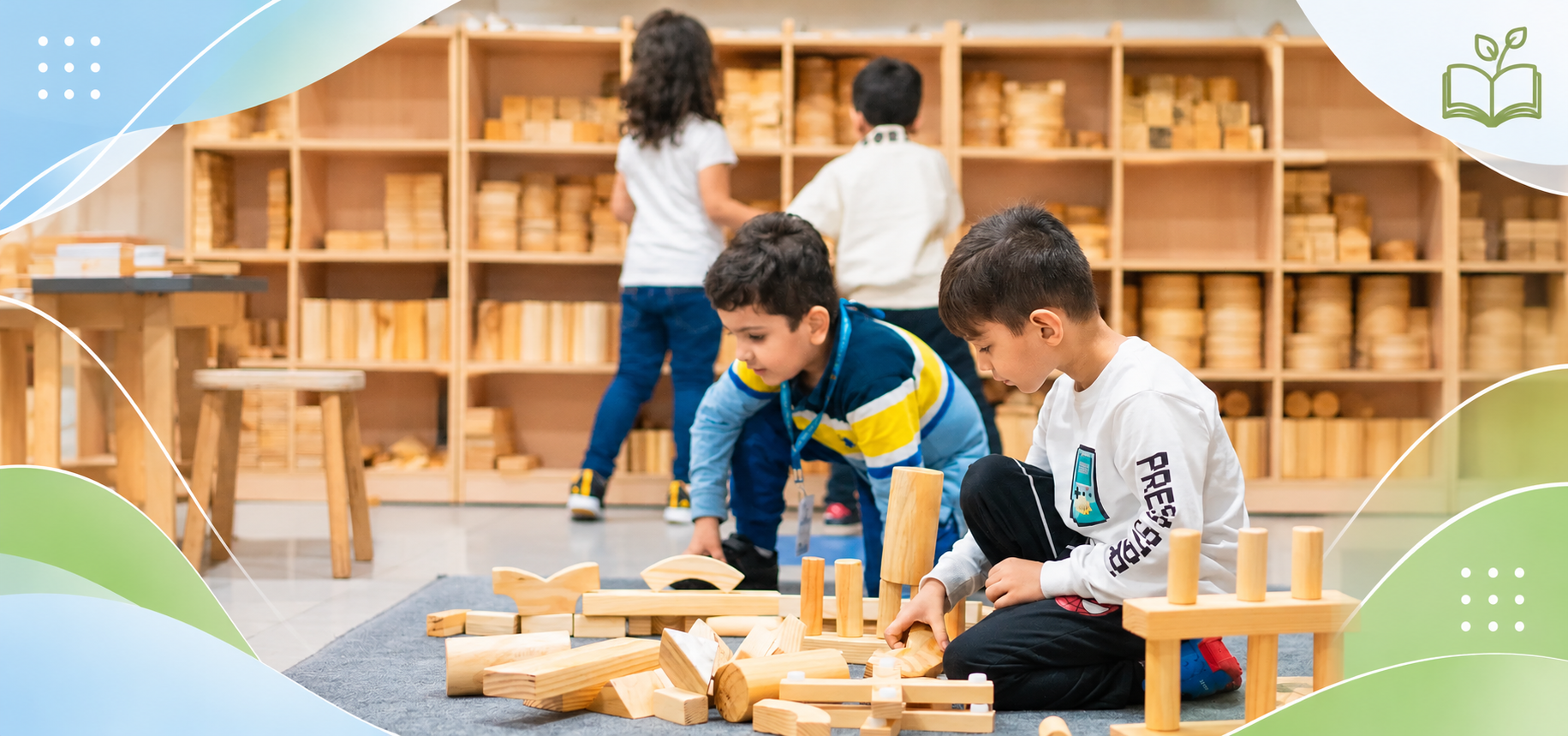
Among the top schools in Gurgaon, Heritage Xperiential Learning School has built its reputation specifically around this structural version of holistic development, rather than the brochure version. Its pedagogy is inquiry-based across every stage, its Physical Education programme runs as a core part of the day rather than a break from it, and initiatives like the Human Framework are built specifically to develop the social and emotional capacities that a purely academic model tends to skip.
This is a school, in short, that has decided holistic development is infrastructure, not decoration.
Global Learning Without Losing the Local
There’s a trap many schools in the “global” category fall into: chasing an international identity so hard that the education starts to feel imported rather than rooted. Heritage Gurgaon avoids this by keeping its CBSE foundation intact while layering in genuinely global thinking skills – research, collaboration, digital literacy – on top of it, rather than instead of it. Its Digital Literacy and Active Citizenship practices are two clear examples of this layering, and for families who want an even more internationally benchmarked track, the school’s International Programme sits alongside the CBSE stream rather than replacing it.
This matters for families weighing options more broadly, too – plenty of parents researching schools in Delhi NCR are essentially asking the same underlying question: does this school build the whole child, or just the transcript?
Why This Combination Is Harder to Fake Than It Looks
A school can claim global exposure with a handful of exchange programmes and international-sounding electives. It’s much harder to fake consistent, everyday practices – circle time, maker-centred learning, standards-based assessment – that quietly shape how a child thinks and relates to others across years, not weeks.
That consistency is, in the end, the honest signal to look for. Not the word on the brochure, but whether the same philosophy shows up in a Nursery classroom and a Grade 12 seminar alike.
Frequently Asked Questions
What does “holistic development” actually look like in a school day, not just a brochure? It looks like academic, physical, emotional, and social growth all being tracked and taught with equal seriousness – not physical education and arts squeezed into leftover periods after academics are “done.”
Is global learning the same as following an international curriculum? Not necessarily. A school can build globally relevant thinking skills – critical thinking, collaboration, adaptability – inside a CBSE framework, without switching curricula entirely.
How can a parent tell if holistic development is genuinely built into the system? Ask to see how it’s tracked, not just described. A school that can show you how it assesses emotional or social growth, not just academic marks, is usually the one that takes it seriously.
Does a school need a large campus to deliver holistic development well? Infrastructure helps, but it’s secondary to design. A well-designed daily schedule that treats sports, arts, and inquiry as core subjects matters more than square footage alone.
Conclusion
Holistic development and global learning are easy words and hard commitments. The schools worth taking seriously are the ones willing to show you the structure behind the phrase, not just the phrase itself.
If you’d like to see what that structure looks like in practice, you can begin your enquiry with Heritage’s admissions team and arrange a campus visit.
Latest Posts

How to Choose the Best School in Gurgaon for Your…
28 October, 2026
Experiential Schools in Gurgaon: Why HXLS Has Been a Pioneer…
06 August, 2026
School Admission in Gurgaon: Complete Guide for Parents (2026)
03 August, 2026
CBSE Schools in Gurgaon vs Experiential Schools: What Parents Should…
30 July, 2026
Nursery Admissions Gurgaon: Everything You Need to Know Before Applying
27 July, 2026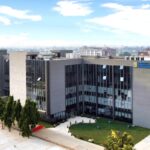
Why Heritage Xperiential Learning School is Among the Best Schools…
23 July, 2026
Best Schools in Gurgaon – CBSE vs IB: Which is…
18 June, 2026
Good Schools in Gurgaon: What Parents Should Really Look For
16 June, 2026
Top CBSE Schools in Gurgaon: Is Heritage the Right Choice…
11 June, 2026